As we contemplate the origins of the United States, the American Revolution emerges not just as a historical event but as a testament to human endurance and vision. From 1775 to 1783, ordinary colonists—farmers, merchants, and soldiers—endured unimaginable hardships to secure independence from British tyranny. These sacrifices, documented in primary sources like the Declaration of Independence and personal accounts from Valley Forge, laid the foundation for a republic that values liberty above all. In an age where freedoms can seem assured, reflecting on this legacy reminds us that America’s strength stems from the deliberate, often painful, choices of its founders. The Revolution taught that true nationhood requires ongoing commitment, a message that echoes in contemporary debates on democracy and unity.

Declaration of Independence (painting) – Wikipedia
The Pledge of Lives, Fortunes, and Sacred Honor
The Declaration of Independence, adopted on July 4, 1776, encapsulates the ultimate commitment to freedom. In its closing lines, the signers proclaim: “And for the support of this Declaration, with a firm reliance on the protection of divine Providence, we mutually pledge to each other our Lives, our Fortunes and our sacred Honor.” This pledge was no empty promise; many signers faced ruin, imprisonment, or death. Thomas Jefferson’s draft highlights grievances such as the king’s imposition of taxes without consent and the quartering of troops, which fueled the resolve to sacrifice for self-determination. The legacy here is profound: it established unalienable rights as the bedrock of American identity, influencing everything from the Bill of Rights to modern civil liberties movements.
Thomas Paine’s pamphlet Common Sense, published in 1776, further ignited this spirit of sacrifice. Paine argued, “The blood of the slain, the weeping voice of nature cries, ’Tis time to part,” urging colonists to sever ties with Britain despite the costs. He emphasized that reconciliation would lead to ruin, while independence, though demanding, promised long-term prosperity. Excerpts reveal Paine’s vision: “Now is the seed time of continental union, faith and honor,” warning that fractures now would grow over time. This document’s viral spread—selling over 100,000 copies—mobilized public support, demonstrating how intellectual sacrifice amplified physical ones, leaving a legacy of reasoned dissent in American discourse.

Thomas Paine: The original publishing viral superstar …
Unity Forged in the Fires of Hardship
The winter at Valley Forge in 1777-1778 exemplifies the physical toll of the Revolution. Soldiers endured starvation, disease, and freezing conditions, with accounts describing men without shoes tracing bloody footprints in the snow. Primary sources from the Library of Congress detail how these trials transformed a ragtag army into a disciplined force under George Washington. The legacy of this sacrifice is the emphasis on unity; as Washington later reflected, shared “dangers, sufferings, and successes” bound the nation. In his Farewell Address of 1796, Washington warned against divisions, stating, “The unity of government… is a main pillar in the edifice of your real independence.” This document, a cornerstone of American political thought, underscores how revolutionary sacrifices promoted federalism and mutual respect among states, influencing the Constitution’s design and enduring as a guide against factionalism.

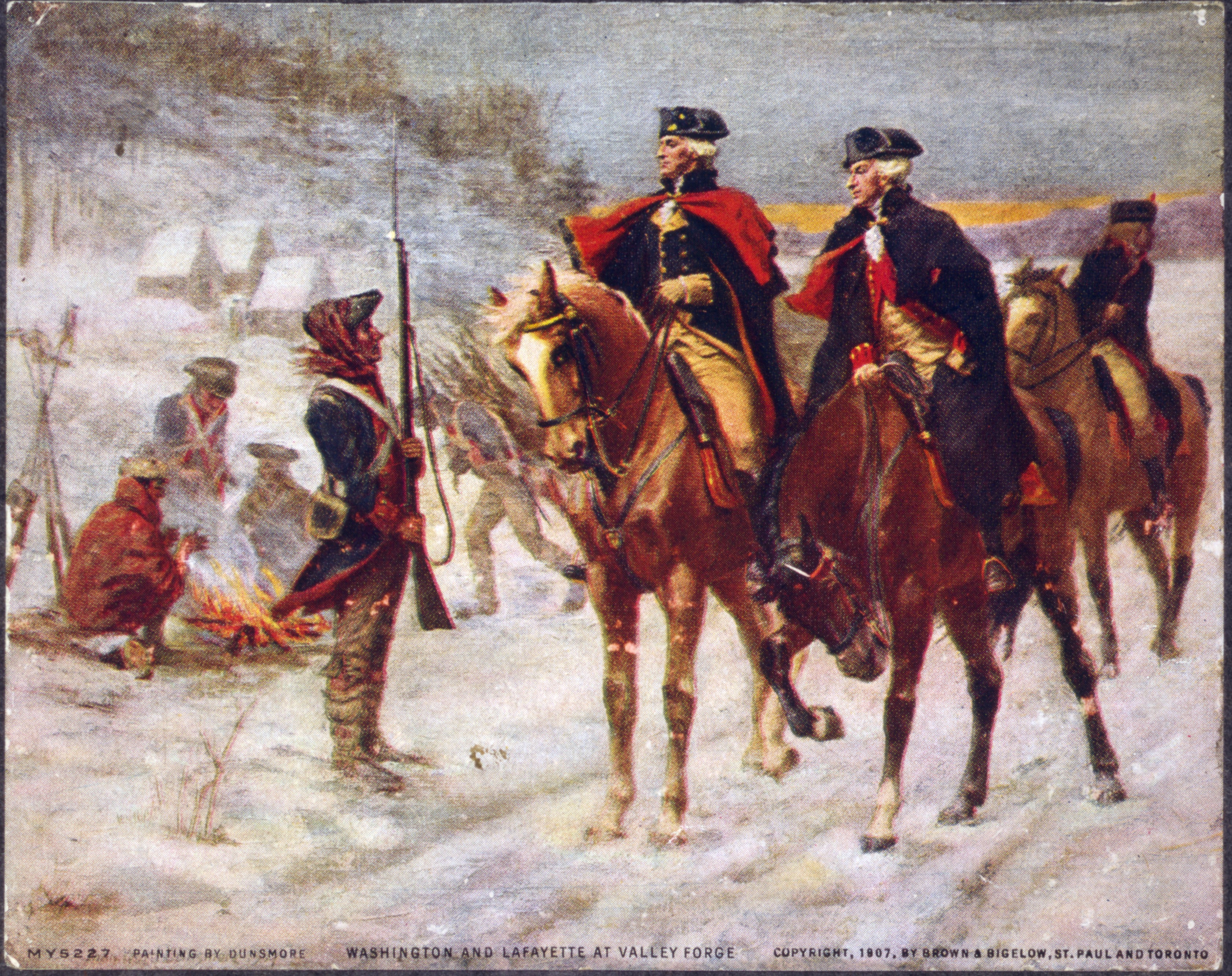

Safeguards and the Enduring Fight for Equality
The Revolution’s sacrifices extended beyond the battlefield, inspiring institutional safeguards. The U.S. Constitution, born from post-war chaos, incorporated checks and balances to prevent the tyranny that prompted the war. Washington’s address further advised steering clear of “permanent alliances” abroad, a lesson from wartime dependencies that shaped America’s isolationist leanings and focus on internal strength. Yet, the legacy includes unfinished business: while the Revolution promised liberty, it initially excluded enslaved people and women. Primary sources reveal raised expectations among African Americans who fought, planting seeds for abolition and equality movements. This paradox highlights the Revolution’s evolving legacy, where sacrifices fueled ongoing struggles for inclusive rights, as seen in the Civil Rights era.
Modern Resonance: Honoring the Past in Today’s America
In contemporary America, the legacy of revolutionary sacrifice manifests in veterans’ honors, civic education, and resistance to oppression. Resources from the American Revolution Institute emphasize appreciating the “contributions and sacrifices of the common soldiers,” fostering a culture of gratitude. Paine’s call for a “noblest purest constitution” inspires modern reforms, while Washington’s warnings against partisanship remain relevant amid political divisions. The Revolution’s heirs continue this work, ensuring promises of liberty endure. As one source notes, the fight for equality is an “enduring yet unfinished” project.
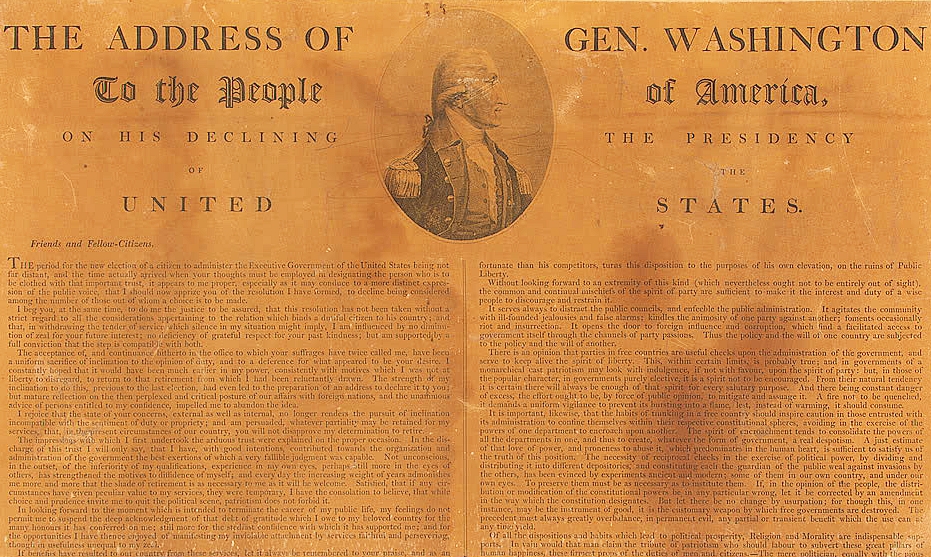
George Washington’s Farewell Address – Wikipedia
In conclusion, the sacrifices of the American Revolution—immortalized in original documents—crafted a resilient nation. From the pledges in the Declaration to the hardships at Valley Forge, these acts bequeathed a legacy of liberty, unity, and vigilance. Today, as we face new challenges, honoring this heritage means actively safeguarding the freedoms won through such profound costs. It calls us to civic duty, ensuring the Revolution’s flame burns bright for future generations.