From pulpits across the colonies, ministers framed resistance as a moral duty. Religious sermons helped transform political conflict into a struggle of conscience during the American Revolution.


From pulpits across the colonies, ministers framed resistance as a moral duty. Religious sermons helped transform political conflict into a struggle of conscience during the American Revolution.

Art helped Americans see the Revolution before they could fully define it. Prints, portraits, and symbols shaped identity, unity, and resistance during the fight for independence.

Poetry played a powerful role in shaping patriotism during the American Revolution, turning political ideas into emotional expression and shared national identity.

Music was a powerful force during the American Revolution. Songs and ballads spread ideas, strengthened morale, and helped ordinary people participate in the revolutionary cause.

The American Revolution was fought not only with weapons, but with words and images. Propaganda and persuasion played a decisive role in shaping public opinion and sustaining resistance to British rule.

Winning independence required more than armies. As the Revolution unfolded, the United States entered the world stage, launching its first diplomatic efforts to secure recognition, allies, and survival.
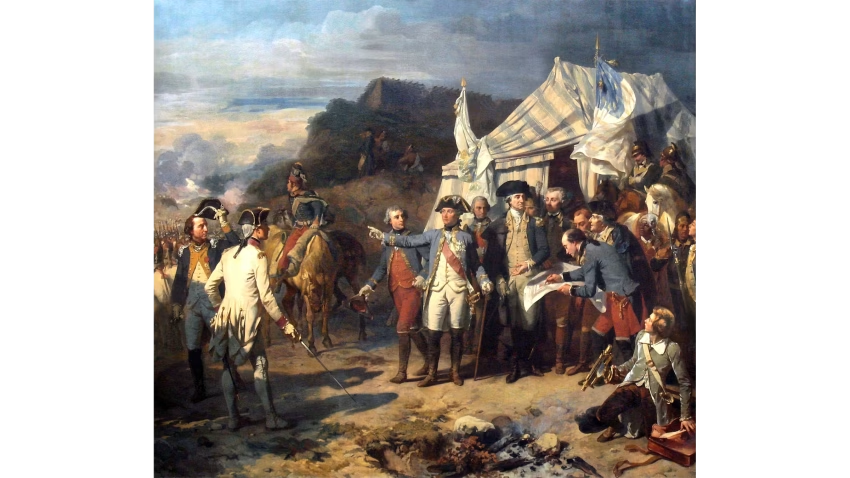
France’s interest in the American Revolution was not accidental. Strategic rivalry with Britain, Enlightenment ideals, and diplomatic opportunity drew French attention long before formal alliance.

The Declaration of Independence was not just an American event—it sent shockwaves around the world. Governments, monarchs, and ordinary people reacted with curiosity, caution, and strategic calculation.

Independence brought freedom—but also financial crisis. The early United States struggled with debt, inflation, trade disruption, and weak economic authority as it attempted to survive as a new nation.

Native Nations were not passive observers of the American Revolution. They acted as diplomats, warriors, and survivors, making strategic choices to protect their people, land, and sovereignty during a rapidly changing war.